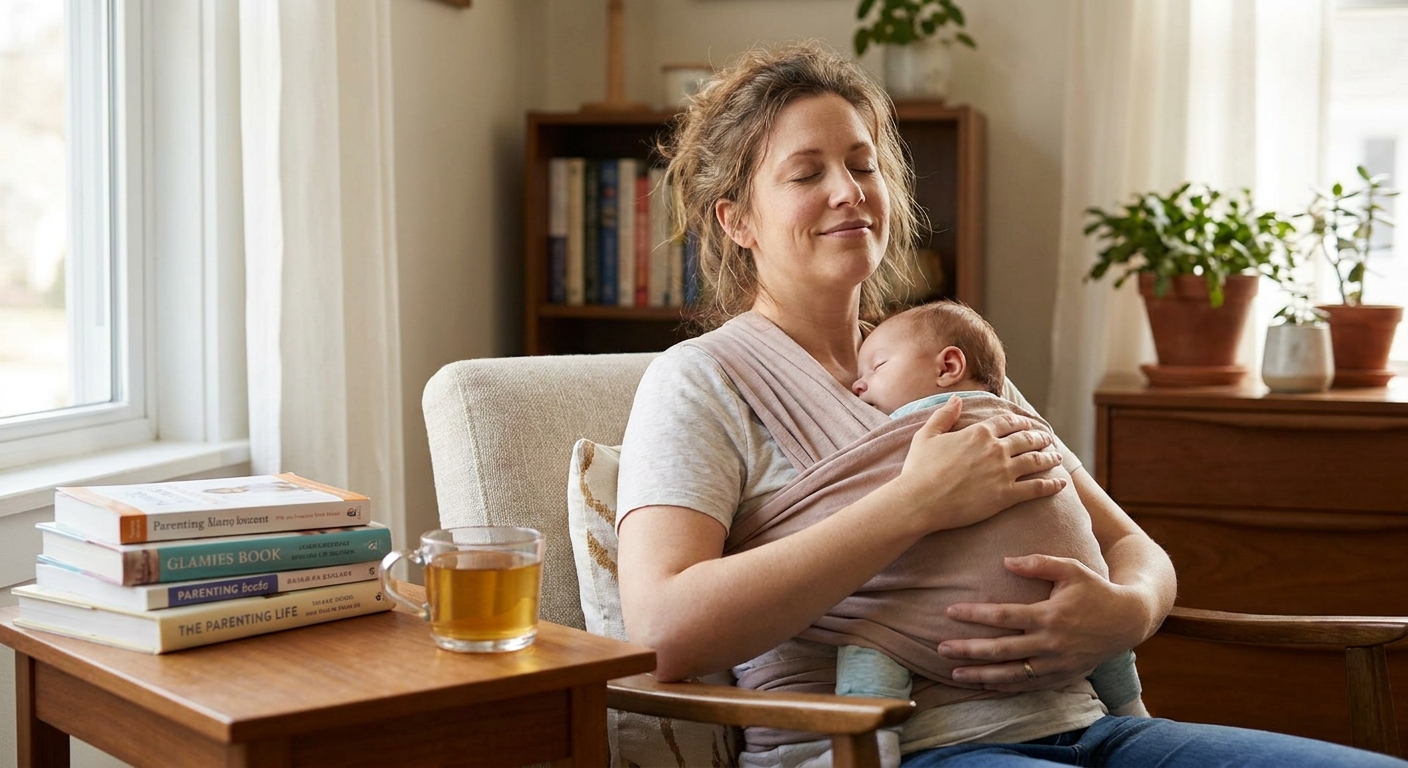
The first weeks with a new baby bring a specific kind of anxiety — racing thoughts at 3 a.m., a body that won't settle even after the baby finally goes down. This guide walks through what actually works in 2026 to manage that anxiety, step by step, without vague reassurance.
- New parents cope with anxiety best by naming it early, not waiting for it to pass on its own.
- Postpartum anxiety in new mothers often hides behind exhaustion, so support usually needs to come sooner than expected.
- Paternal mental health gets ignored more than maternal anxiety, but new dads need the same structured support.
- Sleeping in blocks instead of chasing a full night cuts anxiety spikes faster in the first months.
- A Registered Psychologist in Lethbridge can shorten the adjustment period for anxious new parents in 2026.
Why this matters
Anxiety after a baby arrives isn't rare and it isn't a character flaw. It's a nervous system running on broken sleep, hormonal shifts, and a total identity change happening in real time.
Most people asking how to cope with anxiety as a new parent are already doing more than enough — they just have no structure around the feeling itself. The anxiety doesn't need to disappear before you function again. It needs a container.
“Anxiety in new parents isn’t a personality flaw, it’s a nervous system running on no sleep and no backup.”
What you'll need
- 10 minutes a day you can protect, even if it's split into two 5-minute blocks
- One person you'll actually talk to about how you're doing — partner, friend, or a therapist
- A notes app or small notebook for tracking sleep and mood patterns
- Honesty about whether this has gone past "hard" into something that needs professional support
If the overwhelm feels bigger than sleep deprivation alone explains, the coping strategies for new parents guide breaks down what's normal adjustment versus what's a signal to get help.
The steps
1. Name the feeling out loud, not just in your head
Saying "I'm anxious right now" — to your partner, to yourself in the mirror, to a voice memo — does something silent worry doesn't. Affect labeling research consistently shows that putting a feeling into words lowers its physical intensity within minutes, rather than letting it loop unchecked.
Do this the moment you notice your chest tighten or your thoughts spiral, not after the baby's finally asleep. Common mistake: waiting until you're calm to talk about it, which means you never actually practice the skill when it counts.
2. Build one anchor routine per day
Pick one thing that happens the same way every day — the first feed, a specific walk, a coffee ritual — and protect it like an appointment. Predictability is the antidote to a nervous system that's lost its usual signals.
It doesn't need to be long. Ten minutes of the same sequence at the same rough time gives your body one fixed point in an otherwise chaotic day. Common mistake: trying to build three new routines at once and abandoning all of them by day four.
3. Talk to your partner in specific asks, not vague complaints
"I'm struggling" is true but unusable. "Can you take the 2 a.m. feed twice this week so I get a stretch of sleep" gives your partner something to actually do.
Couples who navigate this period well tend to trade specific, time-bound requests rather than generic support. Common mistake: assuming your partner should already know what you need without you naming it.
4. Cut the input, not the effort
Parenting forums, comparison scrolling, and 24-hour news cycles feed anxious thought loops without adding anything useful to your day. Cutting input is different from cutting corners on care — you're not doing less for the baby, you're doing less to your own nervous system.
Set a hard stop on your phone during night feeds. Common mistake: replacing scrolling with "research" that's really just anxiety in disguise, reading fifteen articles about a symptom that's already resolved.
5. Move for ten minutes, not forty-five
A short walk, stairs, or floor stretches release physical tension anxiety builds in the shoulders and jaw. You don't need a workout — you need movement that interrupts the freeze response.
Ten minutes, once a day, done consistently, outperforms an ambitious plan you skip because you're too tired to start it. Common mistake: treating exercise as all-or-nothing and doing zero minutes because you can't do sixty.
6. Watch for patterns specific to postpartum and paternal anxiety
Postpartum anxiety in new mothers often shows up as intrusive, repetitive worry about the baby's safety rather than classic worry about the future — checking breathing, replaying near-misses, rehearsing worst cases. It's distinct from general stress and it responds well to targeted support; the therapy for postpartum anxiety in new mothers page outlines what that looks like in practice.
New dads carry a version that gets missed more often — irritability, withdrawal, or a compulsion to "fix" everything instead of naming distress. If that sounds familiar, paternal mental health support for new dads is built specifically around that pattern rather than treating it as generic stress.
7. Get a professional read on it before month three
If anxiety hasn't loosened at all by three months postpartum, or it's affecting your ability to leave the house, sleep at all, or bond with the baby, that's the point to bring in a Registered Psychologist rather than keep managing it solo. Early support in 2026 tends to shorten the whole adjustment window, not just soften the edges of it.
Common mistake: waiting for a crisis point before reaching out, when early sessions are usually shorter and more targeted than sessions that start after months of unmanaged anxiety.
Troubleshooting
- Baby's asleep and I still can't relax. Your body is stuck in alert mode from months of interrupted sleep. Try a five-minute wind-down with slow exhales longer than your inhales before attempting sleep — it signals safety to your nervous system faster than lying still and hoping.
- My partner says I'm overreacting. That usually means the ask wasn't specific enough, or the anxiety hasn't been named clearly. Try stating one concrete behavior and one concrete request instead of describing the overall feeling.
- Anxiety spikes hardest around 3 a.m. Cortisol and blood sugar naturally dip overnight, which amplifies anxious thoughts. Keep a glass of water and a short written list of "this is temporary" facts by the bed for those wake-ups.
- I feel guilty admitting I'm anxious. Guilt is common but it's not evidence you're doing something wrong — most new parents in 2026 report some degree of anxiety in the first six months. Naming it isn't a failure report, it's data.
- Everyone says "enjoy every moment" and it makes it worse. That advice ignores the physical reality of sleep deprivation. Replace it internally with "this phase is hard and it's temporary" — both things are true at once.
Talk through what you’re carrying
Individual sessions with a Registered Psychologist in Lethbridge, in person or online.
Tools and resources
- A simple mood and sleep tracker — even three lines a day in your phone's notes app shows patterns you'll miss otherwise
- A breathing app with a 4-7-8 or box-breathing timer for the 3 a.m. spikes
- A short list of non-medication techniques you can pull from without overthinking in the moment — the manage anxiety symptoms without medication guide lays out several that work for the postpartum period specifically
- A standing check-in with your partner, even five minutes, at the same time each week
What to do next
If you've tried the steps above for two to three weeks and the anxiety hasn't loosened, that's the signal to bring in professional support rather than keep adjusting the routine on your own. Individual therapy sessions in 2026 typically focus on the specific triggers you're facing — sleep, identity shift, intrusive thoughts — rather than generic stress management.
Couples often find the anxiety is tangled up with relationship strain from the sheer logistics of new parenthood, which is worth naming to your partner directly before it hardens into resentment.
FAQ
How long does new parent anxiety usually last?
New parent anxiety often eases within the first three to six months as sleep stabilizes and routines settle, but it can persist longer without support. If it hasn’t shifted at all by month three, that’s a reasonable point to bring in professional help.
Is postpartum anxiety different from postpartum depression?
Yes, postpartum anxiety centers on intrusive worry and hypervigilance about the baby’s safety, while postpartum depression involves low mood, numbness, or loss of interest. The two can overlap, but they respond to slightly different approaches in therapy.
Do new dads get postpartum anxiety too?
Yes, paternal anxiety and depression are documented and often show up as irritability or withdrawal rather than obvious worry, which is why they get missed more often than maternal anxiety.
What’s the fastest way to calm anxiety at 3 a.m.?
Slow exhales longer than your inhales, done for two to three minutes, signal safety to your nervous system faster than trying to force sleep. Keeping a short written reminder that the spike is temporary also helps in the moment.
How much does individual therapy cost for new parent anxiety in Lethbridge?
Pricing varies by provider and session length, so check current rates directly with the practice you’re considering. Many extended health plans in Alberta cover sessions with a Registered Psychologist, which is worth confirming before booking.
Can anxiety as a new parent affect the relationship?
Yes, unmanaged anxiety often shows up as irritability or withdrawal that a partner reads as distance rather than distress. Naming the anxiety directly, rather than letting it surface as conflict, protects the relationship during this stretch.
When should a new parent see a therapist instead of just waiting it out?
See a therapist if anxiety is affecting sleep beyond what the baby’s schedule explains, causing panic, or making it hard to bond with the baby. Waiting past three months without any improvement usually means the anxiety needs more than self-management.
One last thing
The detail most new parents miss in 2026: anxiety that spikes specifically at night and eases somewhat during the day is a distinct pattern from anxiety that's constant, and it usually points toward a sleep-and-cortisol issue rather than a deeper mental health concern. That distinction alone changes what actually helps — and it's worth naming clearly if you do end up talking to a professional about it.
Related guides